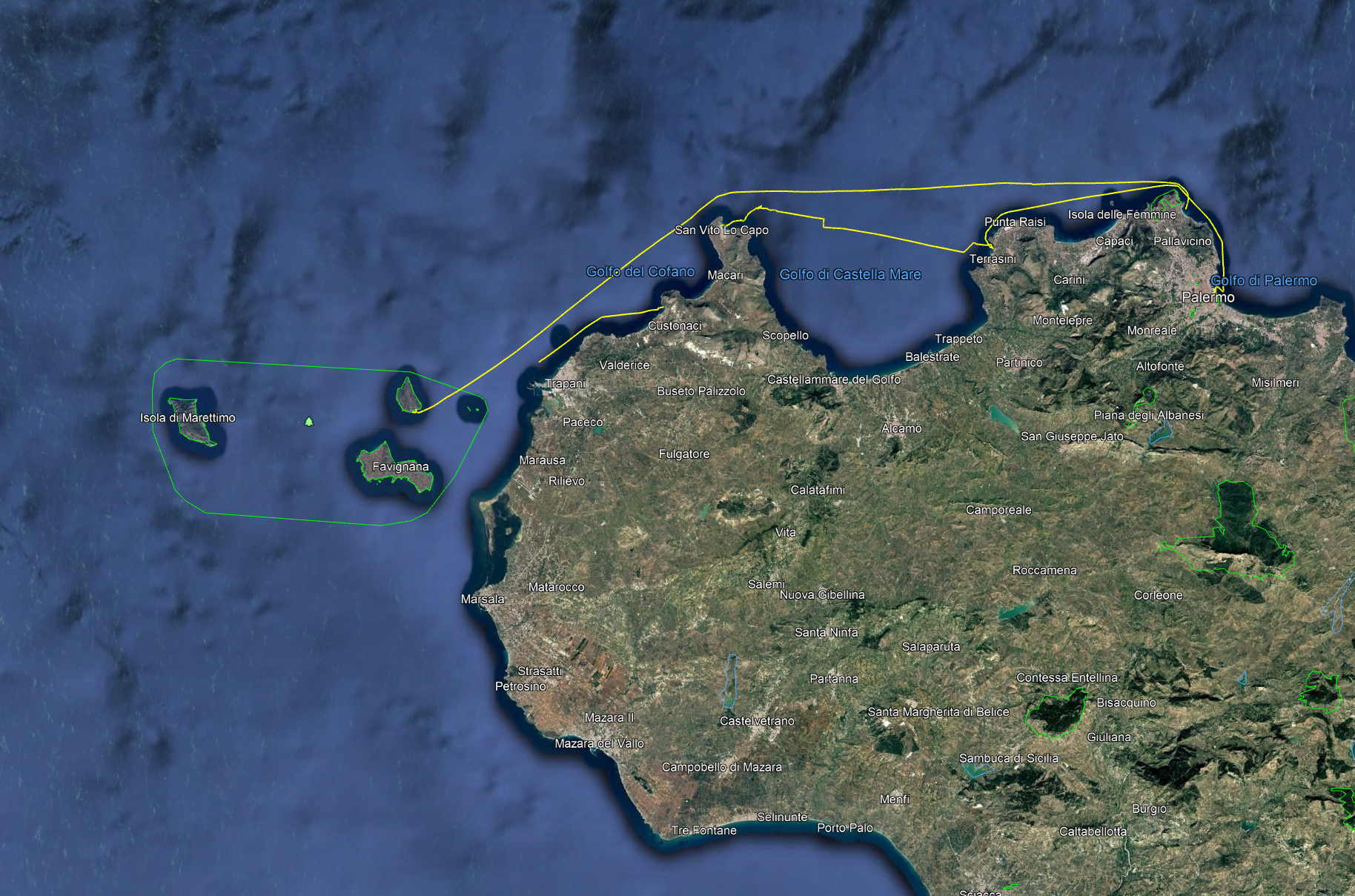
In Sicily The Route of the Phoenicians operates mainly in the western part of the island, in the territories that were once Solunto (Santa Flavia), Palermo, Mozia (Marsala), Segesta, Erice, Selinunte (Castelvetrano) e Cave of Cusa (Campobello di Mazara), Mount Adranone (Sambuca from Sicily), Egadi Islands e Pantelleria, but also across the entire regional territory with regards to the themes of other ancient civilizations and the sustainable and responsible use of strong and attractive identity heritages. There Phoenicians' Route is also a laboratory outside, a tool to enhance some of the European methodological approaches and try to translate them into reality for the benefit of local communities.
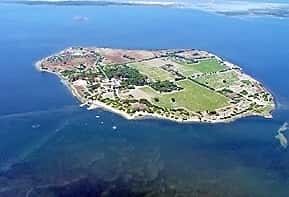
The island of Mothia (or Mozia) is instead a very ancient Phoenician / Punic colony located on the island of Pantaleo in the Stagnone Nature Reserve of Marsala and belongs to the Whitaker Foundation, archaeologist and heir of an English family who had moved to Sicily and producers of Marsala.
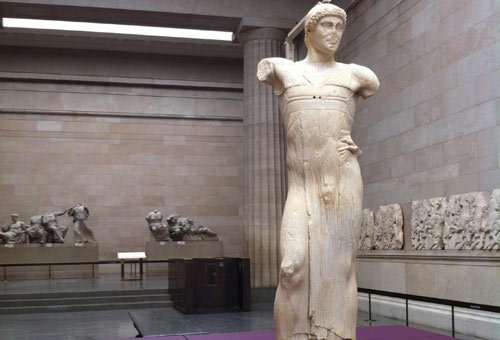
Visiting the island of Mothia means taking a dive into history. You can walk along the ancient streets, explore the ruins and admire the famous "Youth of Motya", a statue of rare beauty preserved in the island's small museum.
Unique experiences in the Saline Stagnone
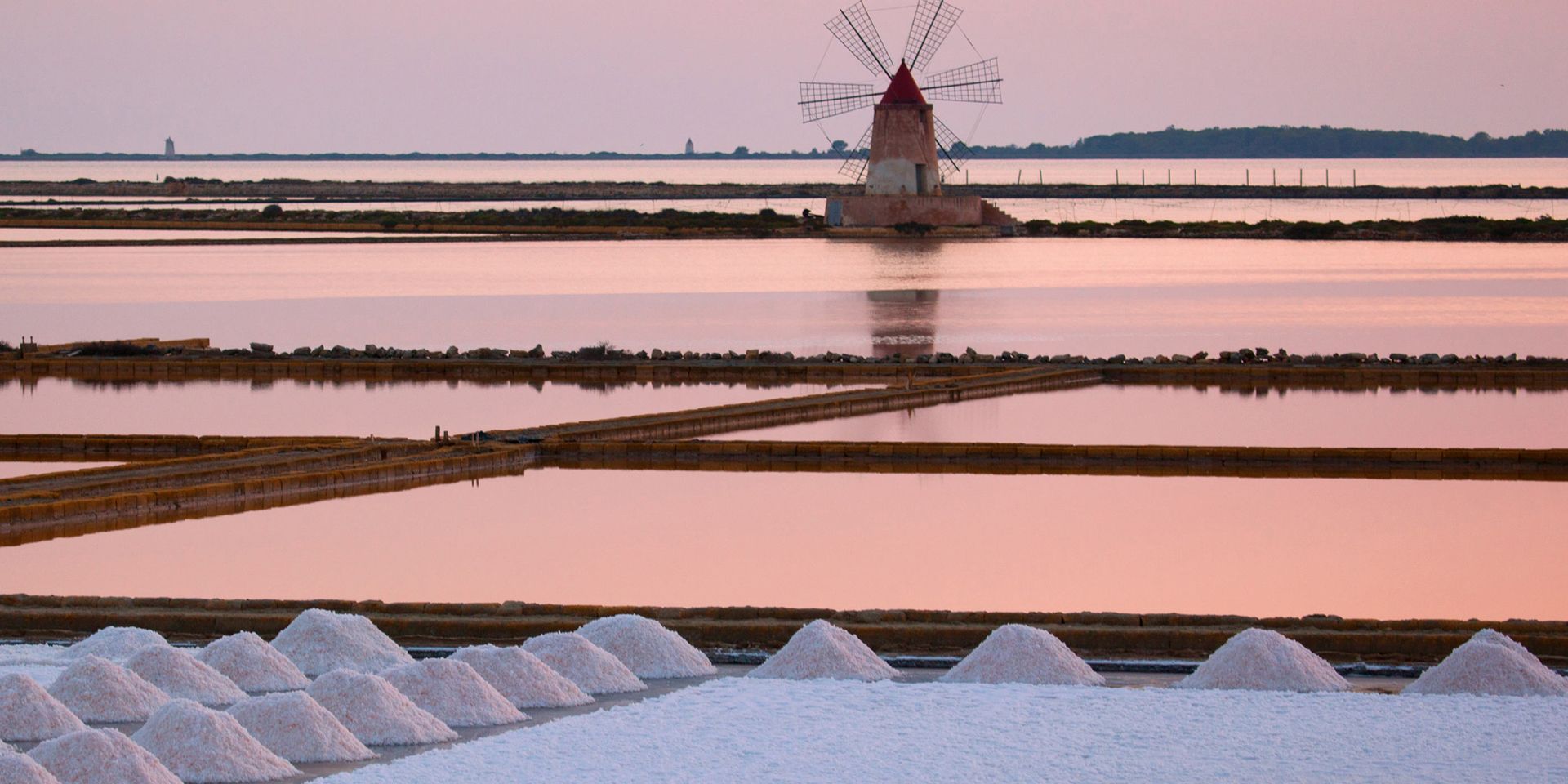
A visit to the Stagnone di Marsala would not be complete without immersive experiences that allow you to fully understand the local culture and traditions. Tourists can take guided tours that illustrate the salt harvesting and processing process. During these tours, it is also possible to witness the evocative "night harvest" of salt, where the piles of salt light up the night like small icebergs in a dark sea.
The salt marshes also offer an ideal habitat for many species of birds, including pink flamingos which can be observed in certain seasons of the year. Birdwatching enthusiasts will find the Saline di Marsala a perfect place for their activity.